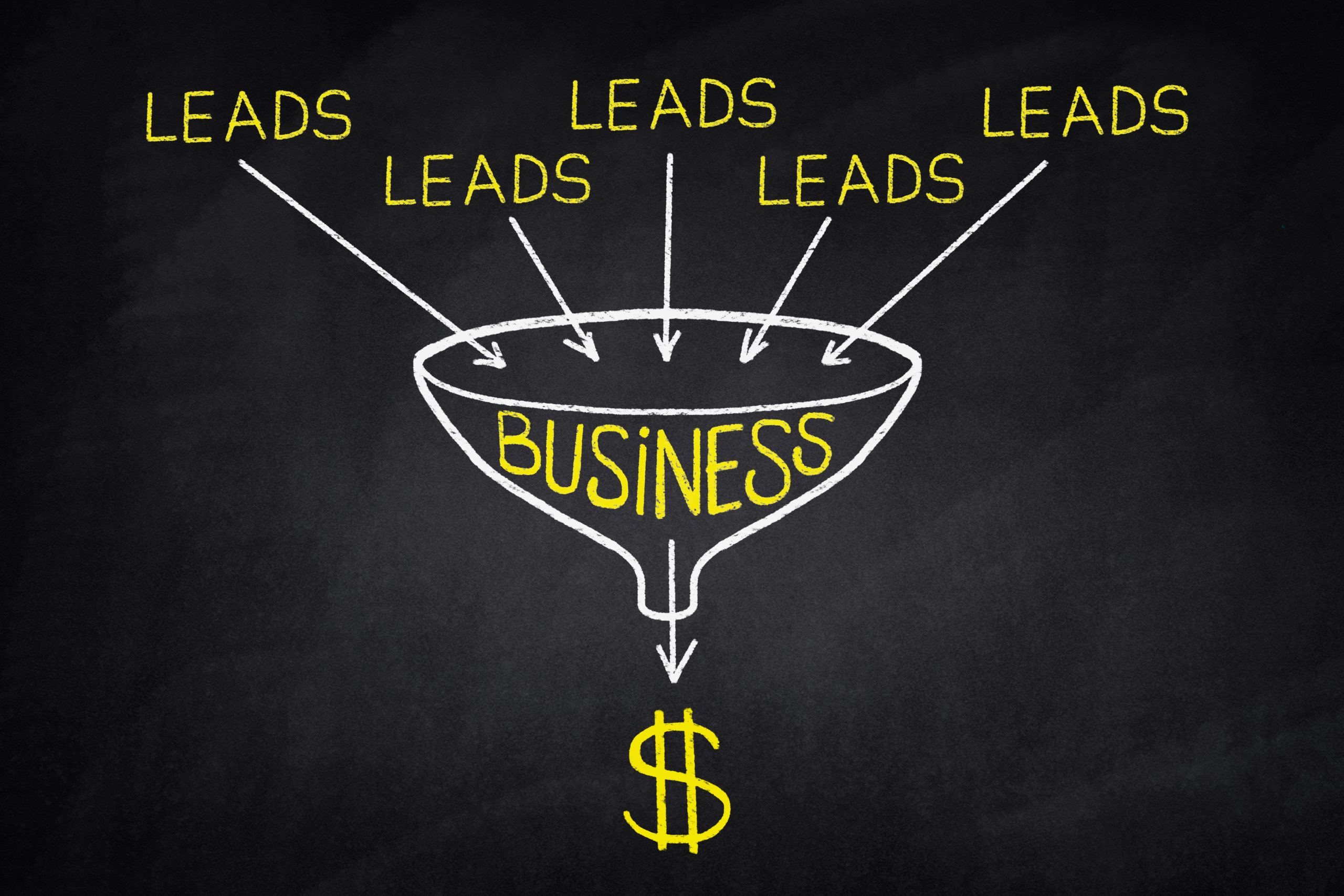
In the ever-evolving landscape of digital marketing strategies and approaches continue to evolve to meet the demands of a dynamic audience. “Full-Funnel Digital Marketing” is a concept that has gained significant traction, and this article is your guide to understanding its challenges, stages, and transformative potential in the digital marketing ecosystem.
Full-funnel digital marketing is more than just a buzzword; it’s a comprehensive approach that addresses the entire customer journey, from initial awareness and consideration to conversion and advocacy.
It’s about crafting cohesive and tailored strategies that engage users at every stage, ultimately driving conversions and fostering long-term customer relationships.
Join us as we delve into the world of full-funnel digital marketing, exploring its essential stages, key strategies, and real-world examples that highlight its effectiveness.
Whether you’re a seasoned digital marketer or a business owner seeking to maximize your online impact, this article offers valuable insights into the strategic approach that can elevate your digital marketing game to new heights.
Table of Contents
Key takeaways:
- Full Funnel Digital Marketing encompasses all stages of the customer journey, from awareness to conversion. It allows businesses to target and engage with potential customers at each stage, increasing the likelihood of conversion.
- Each stage of the funnel requires specific strategies: top of the funnel focuses on generating awareness, middle of the funnel on nurturing leads, and bottom of the funnel on converting leads into customers.
- Measuring and analyzing full funnel marketing performance is essential for optimizing strategies. Key metrics and tools such as conversion rates, click-through rates, and customer lifetime value should be used to track success and make data-driven decisions.
What is Full Funnel Digital Marketing?
Full Funnel Digital Marketing takes your marketing strategy to another level. In this section, we’ll dive deep into what exactly Full Funnel Digital Marketing entails and how it can revolutionize your business.
We’ll uncover the value of understanding the concept behind Full Funnel Marketing, exploring how it can optimize your customer journey from awareness to conversion. Get ready to harness the power of Full Funnel Digital Marketing and watch your business thrive!
Understanding the Concept of Full Funnel Marketing
The understanding of the Concept of Full Funnel Marketing is paramount for businesses to effectively guide potential customers through each stage of their purchasing journey.
Full funnel marketing incorporates strategies that target consumers at various stages of awareness, consideration, and conversion.
At the top of the funnel, businesses concentrate on building brand awareness and capturing the attention of potential customers.
Middle funnel strategies involve nurturing leads and providing them with relevant information to consider their options.
Bottom funnel strategies aim to convert these leads into actual customers through targeted promotions and calls to action.
Comprehending the Concept of Full Funnel Marketing enables businesses to develop comprehensive strategies that address the needs of customers at each stage, resulting in increased engagement, conversions, and overall success in the digital marketing landscape.
The Stages of Full Funnel Digital Marketing
Looking at the stages of full-funnel digital marketing, we can uncover the salient components that drive successful campaigns.
From creating awareness at the top of the funnel to fostering consideration in the middle and ultimately converting at the bottom, each sub-section plays a crucial role in the customer journey.
Let’s dive into these stages and understand how they work together to accomplish marketing objectives and drive business growth.
1. Top of the Funnel: Awareness
Awareness serves as the initial stage in the full-funnel digital marketing process. Its primary objective is to attract the attention of potential customers and familiarize them with your brand or product.
There are several effective tactics for creating awareness, such as social media advertising, content marketing, influencer collaborations, and SEO optimization. These strategies enable businesses to extend their reach to a broader audience and generate interest in what they have to offer.
To measure awareness, it is crucial to monitor key metrics like website traffic, social media engagement, and brand mentions. These metrics provide valuable insights that, when analyzed, inform data-driven strategies.
By leveraging this data, businesses can optimize their top-of-the-funnel activities and ultimately enhance their conversion rates.
2. Middle of the Funnel: Consideration
In the consideration stage of the full funnel digital marketing process, leads who have shown interest are now in the middle of the funnel. Engaging and nurturing these potential customers is vital in increasing the likelihood of conversion.
Here are several strategies to incorporate during this stage:
- Segmentation: It is essential to divide your leads into specific groups based on their interests and demographics. This lets you deliver personalized content tailored to their individual needs and preferences.
- Lead nurturing: In order to guide leads through the consideration phase, it is important to provide them with valuable information. This can be achieved through email campaigns, webinars, and targeted content that addresses their specific concerns and queries.
- Social proof: Building trust and credibility with potential customers is pivotal. Sharing customer reviews, case studies and testimonials provides social proof, demonstrating the positive experiences others have had with your products or services.
- Remarketing: Re-engaging leads who have shown interest but have not yet converted can be done through targeted ads and personalized messaging. This helps to remind them of your offerings and encourages them to take the desired action.
- Comparative content: Creating content that compares your product or service with competitors is an effective way to highlight its unique features and benefits. This allows potential customers to see why choosing your offering is the best decision.
3. Bottom of the Funnel: Conversion
At the bottom of the funnel in full-funnel digital marketing, the primary objective is to convert leads into customers using targeted strategies and tactics. Retargeting plays an imperative role in this process, as it lets you reach out to prospects who have shown interest but haven’t made a purchase yet.
By reminding them of your offering, you increase the chances of conversion. Another effective strategy is to provide personalized offers based on the customer’s behavior and preferences. Tailoring special discounts or incentives encourages them to make a purchase.
Drip email campaigns are also valuable in nurturing leads and guiding them towards conversion. By utilizing automated email sequences, you can steadily cultivate their interest and prompt them to buy. Additionally, social proof is an essential element of the conversion process.
Leveraging customer testimonials, reviews, and case studies instills trust and confidence in potential customers, making them more likely to convert.
Lastly, it’s crucial to have a clear and compelling call-to-action on your website and landing pages. A persuasive call-to-action prompts visitors to take the desired action, increasing conversion rates.
Key Strategies for Each Stage of the Funnel
Unleash the power of digital marketing with our article on full-funnel strategies! We’ll guide you through key strategies for each stage of the funnel, from attracting potential customers at the top to driving conversions at the bottom.
Discover innovative techniques to optimize your marketing efforts and achieve measurable results. Get ready to dive into the world of top-of-the-funnel strategies, middle-of-the-funnel strategies, and bottom-of-the-funnel strategies. It’s time to take your digital marketing game to the next level!
1. Top of the Funnel Strategies
When implementing full-funnel digital marketing, it is pivotal to have compelling strategies at the top of the funnel to drive awareness and attract potential customers. Here are some top-of-the-funnel strategies to consider:
- Create compelling content to engage and educate your target audience.
- Utilize social media platforms to increase brand visibility and reach an extensive audience.
- Invest in search engine optimization (SEO) to augment your website’s visibility on search engines.
- Implement paid advertising campaigns, such as Google Ads or social media ads, to reach your target audience.
A fact: Did you know that 95% of buyers consider a company’s content helpful when looking for solutions to their problems? Implementing these top-of-the-funnel strategies can help you capture the attention of potential customers and guide them toward the consideration stage.
2. Middle of the Funnel Strategies
Implementing effective strategies during the middle of the funnel stage, known as middle of the funnel strategies, is crucial for guiding potential customers towards making a purchase decision.
- Lead Nurturing: Use targeted email campaigns and personalized content to build a relationship with leads and keep them engaged.
- Remarketing: Reach out to individuals who have shown interest by retargeting them with relevant ads on social media or other platforms.
- Educational Content: Provide valuable information through blog posts, videos, or webinars to address potential customers’ concerns and showcase your expertise.
- Social Proof: Share customer testimonials, case studies, or reviews to establish trust and credibility with prospects.
- Offer Trials or Demos: Allow potential customers to experience your product or service firsthand through free trials or demos to increase their likelihood of converting.
To optimize your middle-of-the-funnel strategies, continually analyze data, track conversions, and adapt your tactics based on customer behavior and feedback.
Suggestions:
- Segment leads based on their interests and behavior to deliver more personalized content.
- Consider integrating marketing automation tools to streamline and automate your middle-of-the-funnel processes.
- Experiment with different types of content formats and messaging to see what resonates best with your target audience.
- Collaborate with the sales team to ensure a smooth handover of leads and alignment throughout the funnel.
3. Bottom of the Funnel Strategies
| Bottom of the Funnel Strategies | Description |
| Retargeting | Show targeted ads to users who have previously shown interest in your product or visited your website to encourage conversion. |
| Email Marketing | Send personalized and compelling emails to lead prospects towards conversion, offering discounts or limited-time offers. |
| Social Proof | Display positive reviews, testimonials, or case studies to build trust and persuade prospects to make a purchase. |
| Abandoned Cart Recovery | Implement automated emails or notifications targeting users who have left items in their cart, reminding and incentivizing them to complete the purchase. |
| Upselling and Cross-Selling | Offer related or complementary products to existing customers, increasing their value and likelihood of making additional purchases. |
Measuring and Analyzing Full Funnel Marketing Performance
Measuring and analyzing full-funnel marketing performance is a predominant step toward understanding the effectiveness of your digital marketing efforts. In this section, we’ll dive into the key metrics and tools that can help you track the success of your marketing campaigns.
From conversion rates to customer acquisition costs, we’ll uncover valuable insights backed by proven data sources. Stay tuned to unlock the secrets behind optimizing your full-funnel marketing strategy and driving better results.
Key Metrics and Tools for Tracking Success
Tracking the success of full-funnel digital marketing campaigns requires the use of key metrics and tools. Here is a list of important metrics and tools for tracking success:
| Metric/Tool | Description |
|---|---|
| Conversion Rate | This metric measures the percentage of website visitors who take the desired action, such as making a purchase or filling out a form. |
| Cost Per Acquisition (CPA) | This metric calculates the average cost of acquiring a new customer. |
| Click-Through Rate (CTR) | This metric measures the percentage of people who click on an ad or link, indicating their interest and engagement. |
| Marketing Automation Software | This tool helps track customer behaviors, automate marketing processes, and analyze campaign performance. |
| Google Analytics | This tool provides valuable data on website traffic, user behavior, and conversion rates. |
One successful implementation of full-funnel digital marketing is the case of an e-commerce company that utilized these key metrics and tools for tracking success.
By analyzing their CTR, conversion rate, and CPA, they were able to optimize their marketing campaigns and increase their revenue by 25% within six months.
This showcases the significance of tracking success using the right key metrics and tools in order to attain positive results.
Case Studies: Successful Implementation of Full Funnel Digital Marketing
Successful implementation of full-funnel digital marketing can be seen through a number of case studies illustrating the effective utilization of various strategies. Here are a few compelling examples:
| – Chanel achieved remarkable results by leveraging targeted social media ads to generate awareness. They further nurtured leads through well-executed email campaigns, resulting in a significant increase in conversions. |
| – Nike’s implementation of personalized content marketing played a crucial role in educating prospects, leading to higher engagement, enhanced brand loyalty, and, ultimately, increased sales. |
| – AirBnB utilized several digital channels, including social media, email marketing, and strategic partnerships with influencers. |
To ensure success in implementing full-funnel digital marketing, businesses should follow these best practices:
- – Segment their audience effectively to deliver tailored messaging at each stage of the funnel.
- – Utilize a diverse range of channels to reach prospects at different touchpoints and maximize their engagement.
- – Continuously analyze data and make data-driven decisions to optimize marketing efforts and attain better results.
These case studies vividly demonstrate the power and effectiveness of full-funnel digital marketing when executed strategically and supported by careful analysis of data.
Common Challenges and Solutions in Full Funnel Marketing
When it comes to full-funnel marketing, businesses commonly face common challenges and solutions that can hinder their success. With the right strategies and solutions in place, businesses can overcome these challenges.
Here are some common challenges and their corresponding solutions in full-funnel marketing:
|
To succeed in full-funnel marketing, it is crucial to address these common challenges and implement effective solutions. By doing so, businesses can maximize their marketing efforts and drive better results throughout the entire customer journey.
Future Trends in Full Funnel Digital Marketing
- Personalized Marketing: In the future of full-funnel digital marketing, brands need to be aware of the exciting trend of leveraging data and AI to deliver personalized content and experiences to their customers at every stage of the funnel.
- Visual and Interactive Content: One of the vital trends to watch out for in full-funnel digital marketing is the focus on creating visually appealing and interactive content, such as videos, infographics, and quizzes, to engage and convert the audience.
- Voice Search Optimization: Brands should be aware that optimizing content for voice search will become predominant in the future as smart speakers and virtual assistants continue to rise in popularity.
- Data Privacy and Security: As consumers become more concerned about their privacy, brands need to prioritize data protection and transparency to earn trust and maintain customer loyalty in the future of full-funnel digital marketing.
- Augmented Reality (AR) and Virtual Reality (VR): The future of full-funnel digital marketing will see significant advancements in AR and VR technologies, playing a paramount role in enhancing the customer experience and improving product visualization and engagement.
Pro-tip: To stay ahead in full-funnel digital marketing, keep an eye on emerging technologies, adapt to changing consumer behaviors, and continuously analyze and optimize your strategies.
Some Facts About Full Funnel Digital Marketing:
- ✅ Full-funnel marketing combines brand building and performance marketing strategies.
- ✅ Implementing a full-funnel marketing approach can lead to a 15 to 20 percent increase in marketing ROI.
- ✅ Full-funnel marketing covers all channels and touchpoints throughout the customer journey.
- ✅ The goal of full-funnel marketing is to attract attention, drive engagement, spur consideration, and create brand loyalty.
- ✅ Full-funnel marketing improves the customer experience by matching content to expected actions and optimizing across all marketing channels and touchpoints.
Frequently Asked Questions
What is full-funnel digital marketing?
Full-funnel digital marketing is a comprehensive strategy that covers all channels and touchpoints throughout the customer journey. It aims to attract attention, drive engagement, spur consideration, and create brand loyalty.
It combines brand building with performance marketing to connect the dots across channels and touchpoints, ensuring a brand’s presence at every stage of the buyer’s journey.
How does full-funnel marketing overcome the fragmented customer journey?
Full-funnel marketing ensures that a brand is present at every touchpoint and digital marketing channel. With customers interacting with a brand through various channels like social media, websites, emails, TV commercials, and more, full-funnel marketing helps connect the dots and provides a unified experience.
It matches content to expected actions and creates an optimal experience across every marketing channel and touchpoint.
Why is it important for businesses to adopt a full-funnel marketing strategy?
Adopting a full-funnel marketing strategy empowers businesses to overcome organizational and technological barriers, drive growth, and maximize marketing ROI.
It addresses the split personality of traditional brand building and performance marketing, ensuring a balance between long-term brand building and short-term performance goals.
By incorporating both elements in a campaign, companies can generate more value without significantly increasing their marketing spend.
How does full-funnel marketing impact customer journeys?
Full-funnel marketing impacts customer journeys by providing a consistent and relevant experience across the entire purchasing stage.
It takes into account both online and offline interactions, ensuring that customers who find a brand through a Google search, interact with it on social media, visit its website, see its products in a store, and check online reviews on their mobile devices can seamlessly transition through each stage of the funnel.
This comprehensive approach helps guide customers along the path to purchase.
What are the benefits of implementing a full-funnel marketing strategy?
Implementing a full-funnel marketing strategy brings several benefits. It allows businesses to measure marketing effectiveness accurately, generate higher returns on ad spend, improve brand recognition, engage with relevant audiences, and create long-term customer loyalty.
A data-driven full-funnel marketing strategy can lead to a 15 to 20 percent increase in marketing ROI and overcome the pain points of traditional marketing approaches.
How does full-funnel marketing contribute to marketing ROI and growth?
Full-funnel marketing contributes to marketing ROI and growth by addressing the obscured importance of brand-building campaigns and focusing on both short-term and long-term impacts.
By capturing the attention of customers early in the buyer’s journey through upper-funnel marketing efforts and nurturing them through the consideration and conversion stages, businesses can drive clicks, increase average customer value, and ultimately accomplish their growth aspirations.
